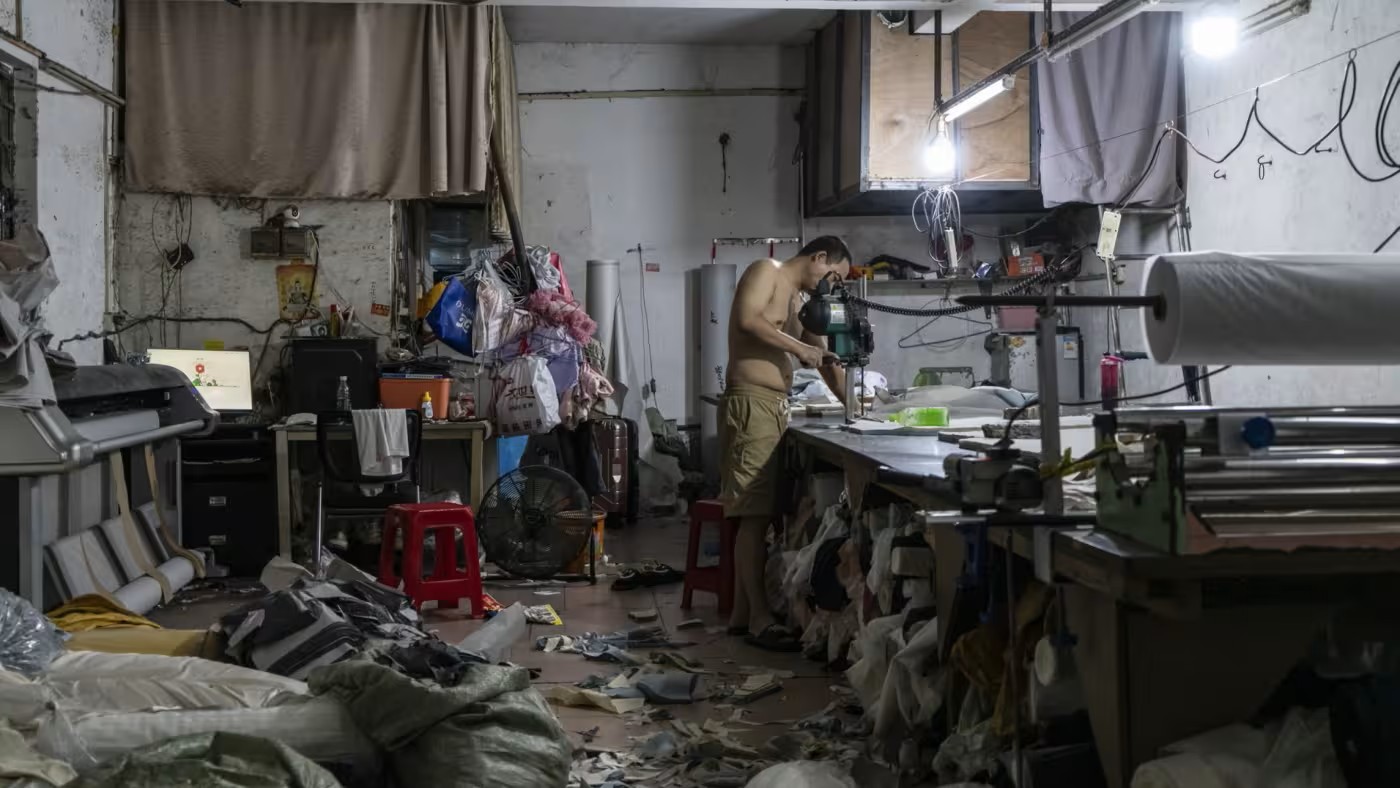
Hiring short-term workers to cut costs hurts their prospects and ability to learn new skills
William Langley
Published NOV 20 2025
…
Jenny Chan, a sociologist at the Hong Kong Polytechnic University, says that some factories can employ as many as 70 per cent of their workers on a temporary basis during peak seasons, although an absolute number is difficult to pin down. “This is definitely a more precarious, very fluid form of labour,” she says.
The proportion of workers employed on a temporary basis has increased since about 2008, following both the global financial crisis and China’s introduction of a stricter labour law that offers greater protections to full-time workers, she says.
As the growing usage started to attract greater government scrutiny, some factories turned to the country’s network of vocational schools to send trainees or interns to meet their staffing needs. Renewed scrutiny of the use of vulnerable student workers has only pushed the practice underground, she says. “They have been continuing the practice . . . they just made it more difficult to identify.”
China’s Gig Economy: How Flexible Manufacturing Leaves Workers Vulnerable
China’s manufacturing sector is increasingly relying on short-term, gig workers, leaving millions exposed to precarious work conditions.
Experts weigh in on the ethical implications and the future of labor in China’s manufacturing powerhouse.
Keywords: China, gig economy, manufacturing, labor rights, precarious work, human capital, short-term contracts, worker exploitation, social mobility
 Dying for an iPhone